
“We shall not cease from exploration, and the end of all our exploring will be to arrive where we started and know the place for the first time.” –T.S. Eliot
Join me in the always-expanding adventure of growing in our Faith, Hope, & Love.
Why I Write.
I write primarily to encourage Spanish River Church, the congregation I serve in South Florida. What helps them will hopefully help others, too. Being a Pastor means serving saints and cynics, the searching and the sorrowing, at the intersection of grace and brokenness, pointing with hope to Jesus the Savior of sinners
Pick Up Where You’ve Left Off.
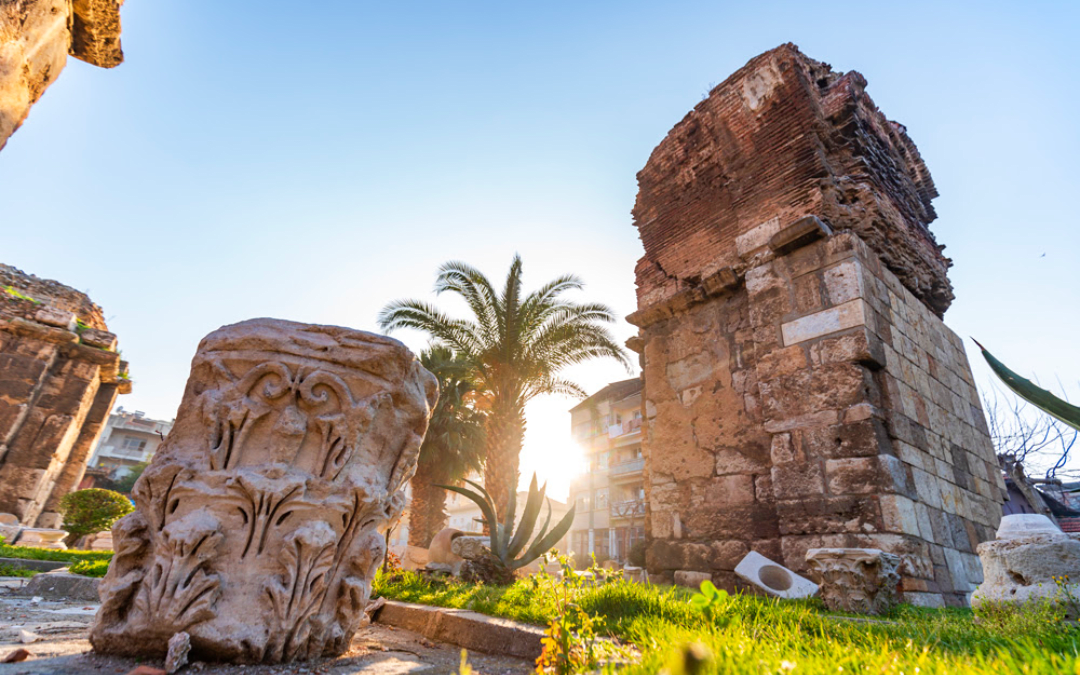
The open door is a narrow gate. There’s only one door and only one way through it. It's so narrow that to squeeze through it can only be done one way - by faith. Faith in the Door. Jesus not only opens the Door, he IS the Door (John 10).
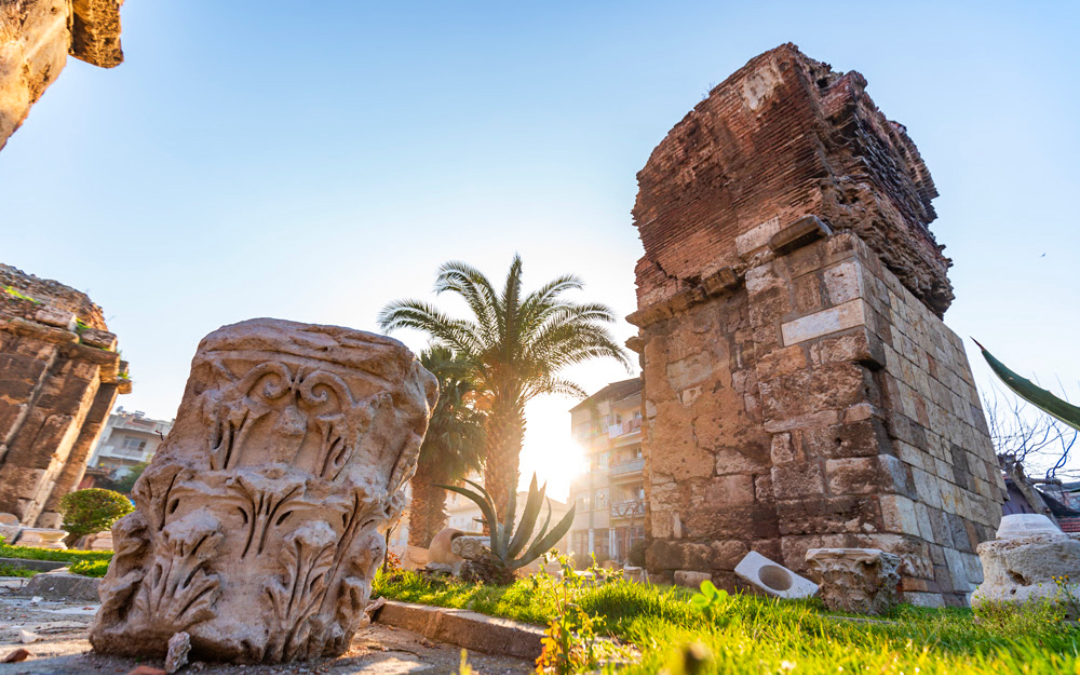
That picture frames the question I asked in yesterday’s message, the one on this Monday morning that still begs for out clear answer: What makes a church great?
Jesus says, "You have the name that you are alive, but you are dead" (3:1). All hat, no cowboy. A reputation resting on an empty condition. Notice what he does not say. He does not accuse Sardis of open scandal or heresy. He says, "I have not found your works complete" (3:2). The problem is unfinished love and unfinished obedience, slowly settled into complacency.
That is the most dangerous kind of death, because it never announces itself. Complacency does not feel like danger from the inside. It feels like safety. That false sense of security is exactly what undoes a church, whether it is hiding behind a cliff or behind a long and honorable history.

One of the greatest graces we’ve been given is that our Savior is the One who was dead but, behold, he is alive forevermore. If a congregation is dead, there’s no better head of that church than Jesus, the dead-raiser, the life-giver, the grace-robbing Savior who brought back Lazarus from the tomb and restored him to life and service and witness.
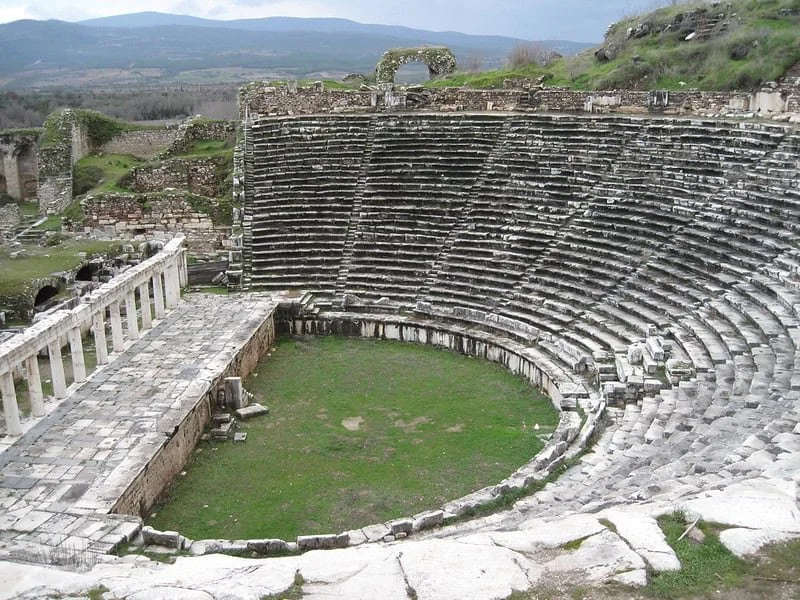
Tolerance is a danger when intolerance is the only solution. “Morality, like art, consists in drawing a line somewhere!” - Mark Twain.
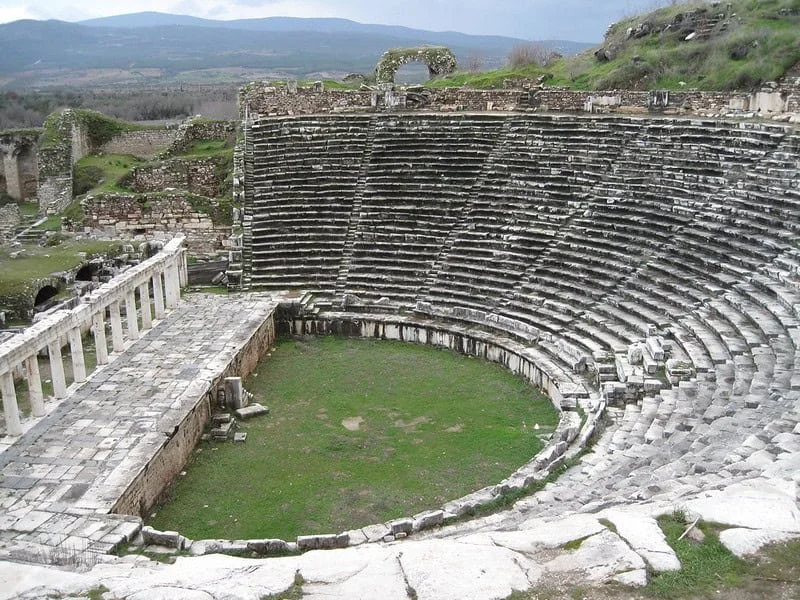
Every generation of the church faces some version of the same question Thyatira faced: how do we relate to a world we live inside but don't belong to? And every generation is tempted toward the same three wrong answers.
Smyrna’s Christians are headed into a great trial of their faith, a faith that’s already been severely tested. As in all great trials, the witnesses' testimony will be crucial. Let’s look at the Testimony of Jesus, the Testimony of the Church in Smyrna as they take the stand, and the Testimony of Eternity - of heaven and hell - to the fidelity of God and his people.
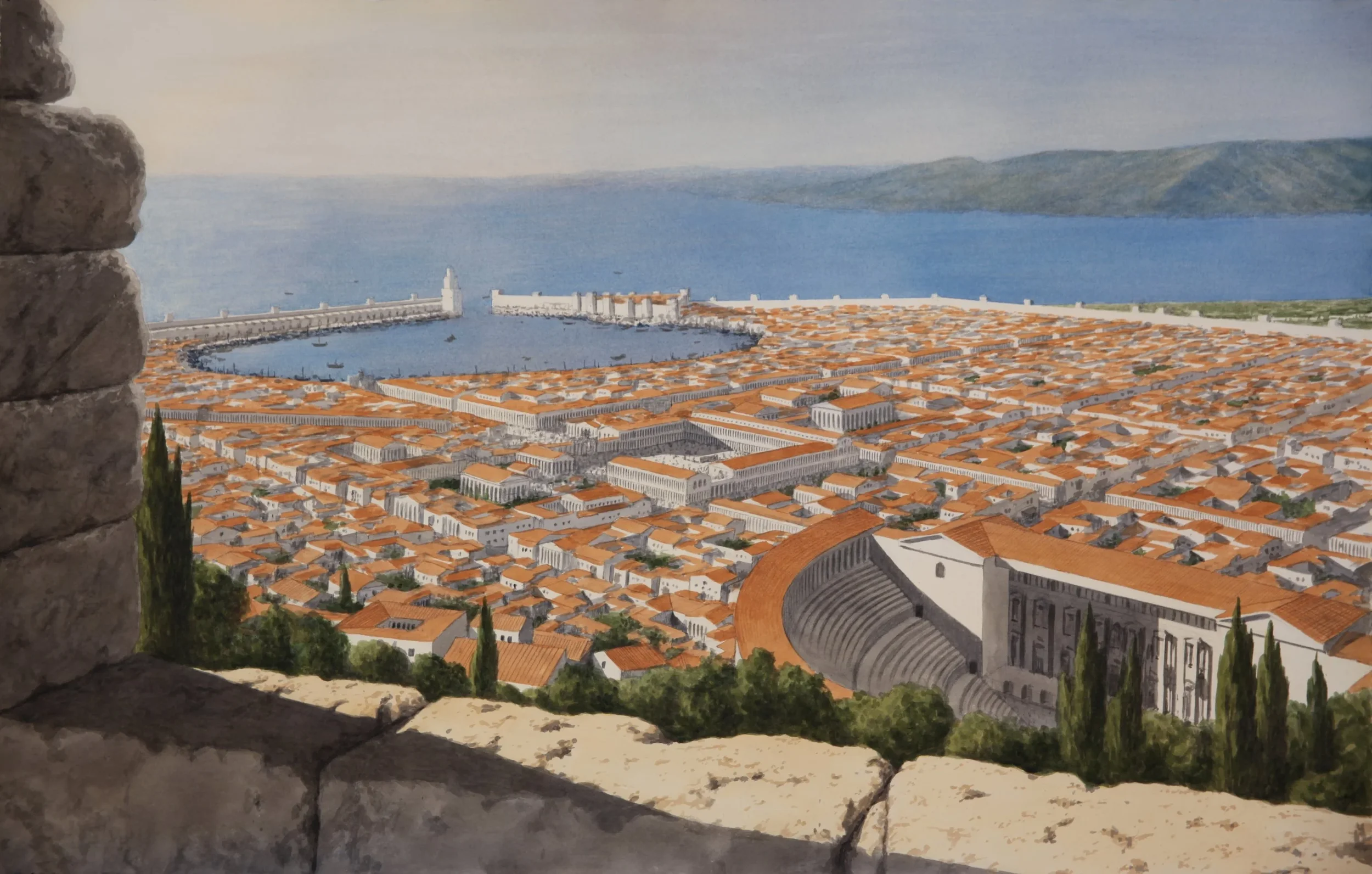
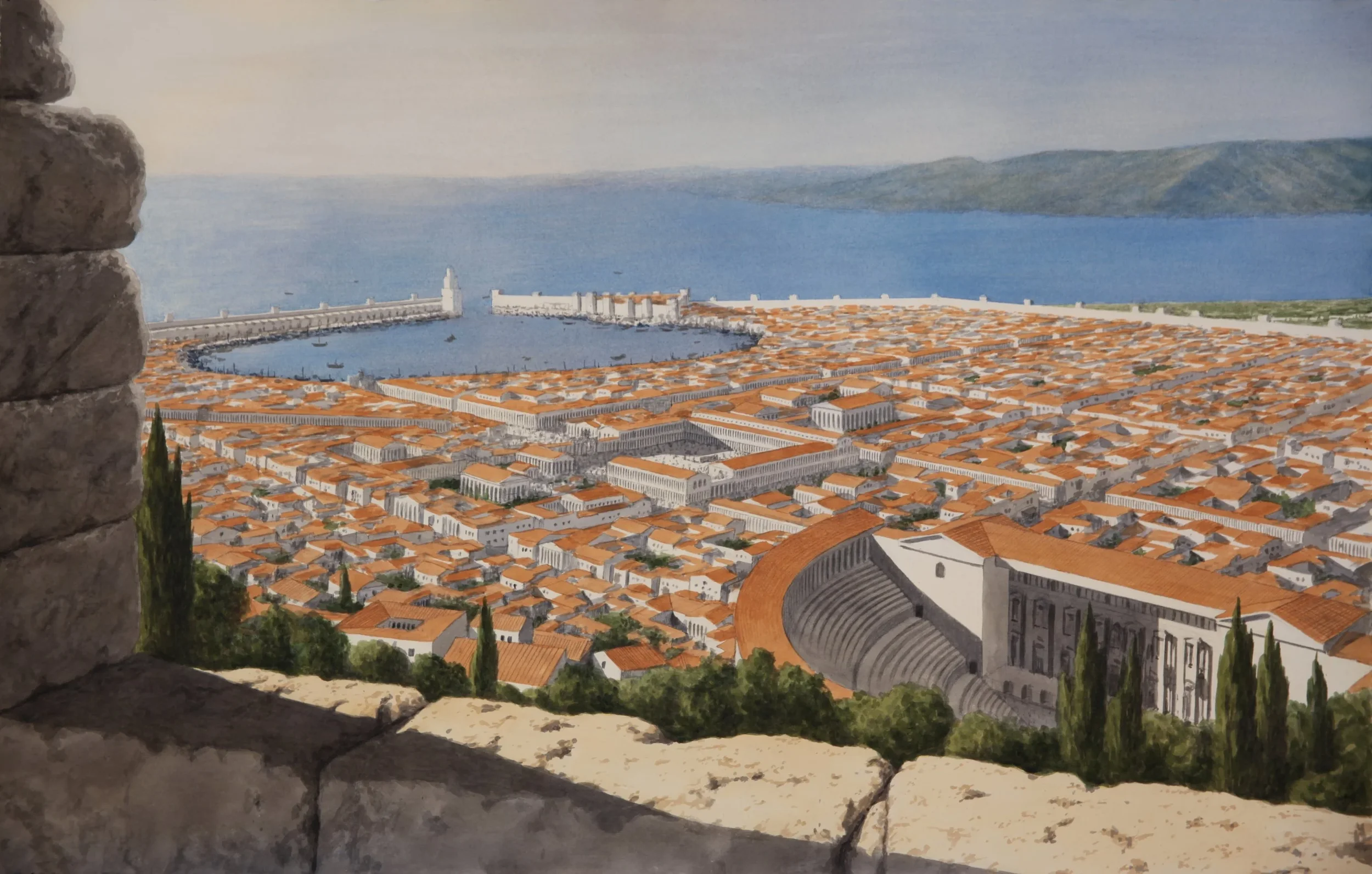
A city named for death's own perfume, addressed by the one who died and is alive forever - you couldn't invent a better opening line if you tried.
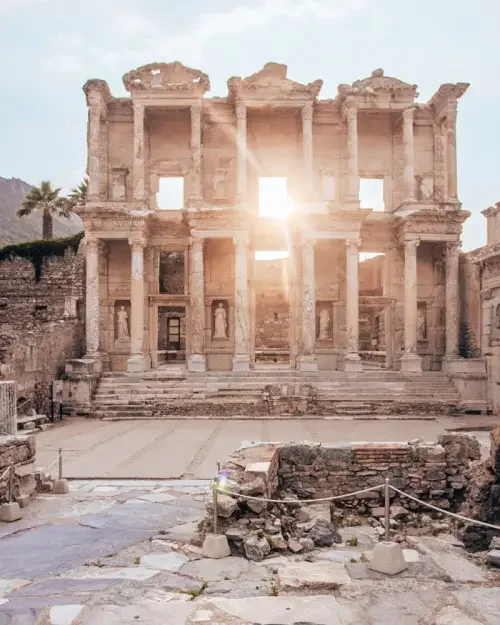
Look, this is an easy pathology to be infected by. Jesus said, when lawlessness is increased, the love of many grows cold (Matthew 24). The lawlessness around us can produce a lovelessness within us, and that rots a church from the inside-out. Eventually, the flame of witness is extinguished, and the lampstand is taken away.
There’s only one antibiotic that can heal this dread infection -
If our beginning is chance and our ending is pointless, then why does the middle matter? Many demand of us that we care - about the economy, the planet, wars and injustice… why? If we exist by mere chance and we move to oblivion, and our lives are not valuable or meaningful in any absolute sense, then “who cares”???!!!
"I wake up sometimes way in the night and I know as certain as death that there aint nothin short of the second comin of Christ that can slow this train.” - Sheriff Bell, No Country for Old Men, Cormac McCarthy
Because make no mistake, this is a suffering people's book, and it always has been. Christ's own victory came through apparent defeat, not around it — the cross before the crown, the Lion who reigns turning out to be the Lamb who was slain. One older theologian described the church's whole existence this way: hemmed in by hostile power from without and false teaching from within, and yet never abandoned — her fellowship in the coming kingdom is, itself, a fellowship of suffering and patient endurance.
The word itself is a giveaway. Apocalypse — the Greek word behind our English "revelation" — means unveiling. Something that was hidden is being pulled into the light.
Welcome to the Book of Revelation. The title alone should tell you what to expect from this book: not a code to crack, but a curtain being pulled back. And once the curtain moves, don't expect everything on the other side to sit easy with you.
This book was written to turn your sense of what's real inside out. It's going to unsettle some assumptions. It's going to plow up soil in you that's gotten hard and settled, so that something truer can take root. That's not a flaw in the book — that's the book doing exactly what it was written to do.
How can we study this amazing book?
Keep two realities in view - the Alpha and Omega, if you will, of the big picture Revelation unfolds. At the beginning of this apocalypse/prophecy/letter/book, Christ stands with his imperfect, threatened Church. At the end, Christ stands with his perfected, glorious Church, a spotless bride. Between those two realities, the scroll is opened, the seals are broken, the trumpets sound, the bowls are poured out, the dragon is thrown into the lake of fire, and Christ the Risen, Reigning, Returning Savior is seen by all.
We began this book in a moment of loss. A city fallen. A temple plundered. A teenager standing in the court of the world's most powerful empire, being given a new name by an official who assumed the old one no longer mattered.
We end it with stars.
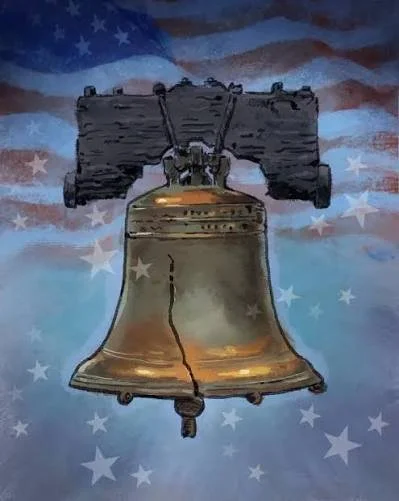
There is a bell in Philadelphia that has not rung since 1846. It sits behind glass, cracked and silent, visited by millions who come not to hear it but to read it. Encircling its crown is an inscription from the book of Leviticus: Proclaim liberty throughout all the land unto all the inhabitants thereof.
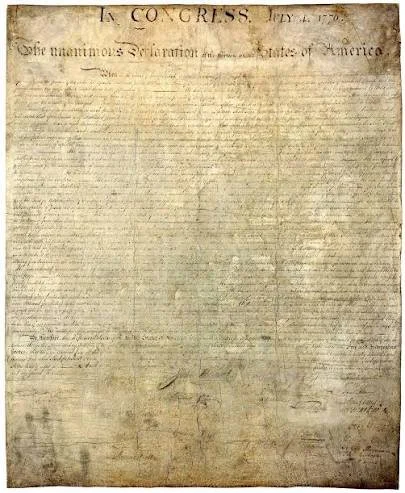
The roots of American liberty run deeper, and stranger, and more theological than the standard account allows. They pass through a burned book, a Scottish castle prison, a seventy-foot drop on a rope of knotted blankets, and a Princeton classroom. And at every point along the way, they are watered not by abstract Enlightenment philosophy but by a conviction older and tougher than that, the conviction that there is a law above the law of kings, and that its Author is the God of Scripture.
That is the story worth telling on the republic's 250th anniversary.
Daniel is finishing his course here in chapter 12: an unexpected life, begun in exile as a teenager, sustained through three empires, altered by visions he could not fully contain, and marked throughout by the faithfulness of a God who never once let go of him. One of the most remarkable figures in human history. And at the end of it all, he leaves us three gifts to open.
The powers invented the cross. The powers perfected the cross. The powers wielded the cross against the Lord of glory. And in that single act — the most catastrophic miscalculation in the history of the universe — they triggered the instrument of their own destruction. They did not know. The wisdom of God was hidden from them. They played the role appointed for them before the ages: the unwitting executioners of the sacrifice that would end their power forever.
As exile people, we not only live in contested territory — we are contested territory. Our very persons are a battleground. As we live and serve in beautiful downtown Babylon, we should not be surprised by the presence of resistance. The spiritual battle for nations, peoples, and persons is what this final section of Daniel is about.
Daniel could not have imagined any of this when he fell to his knees with Jeremiah's scroll in his hands. He prayed for the seventy years of exile to end. God answered with the Jubilee of Jubilees, with the end of sin itself, with a Temple that death cannot destroy and a righteousness that will never wear out.
Every Alexander, every Caesar, every figure the world calls great occupies the same position in the Bible’s cosmology: a creature appointed for a moment, serving a purpose they may not understand, and, even when they are fueled by their own selfish and cruel ambition, making way for the next creature in a sequence moving toward the kingdom that shall not be destroyed.
The beasts are not quickly displaced; for a long period, they roar and rumble across history. Centuries. Violence, murder, tyranny, displacement, immense suffering, and loss follow in the wake of their trampling, iron step, and grinding teeth. But the vision moves from earth to heaven, from the sea to the throne room, and what Daniel sees there changes everything.
Every one of us has signed up for an overnight stay in the lion’s den. Not as a possibility. As a certainty. Peter wrote to us as exile people, reminding us that we live in the Lion’s Den - it is the shape of faithful exile in a broken world is the shape of Daniel’s life — just as Daniel’s life had a den in it. The question is not whether the stone will roll shut. The question is whether we will have built the life that can survive the night. “Be sober-minded, be watchful. Your adversary the devil prowls about like a roaring lion, seeking someone to devour. Resist him, firm in your faith…” (1 Peter 5:8ff).
Daniel 5 opens with Belshazzar throwing a party for a thousand lords. Outside the walls, the Medo-Persian army of Darius the Mede is besieging the city. But Belshazzar isn’t worried. Babylon’s walls are eighty-seven feet thick. The Euphrates River runs through the city’s interior. The grain stores can sustain the population for years. By every military calculation available to him, he is safe. His confidence isn’t irrational. It is simply wrong about what is coming — and from which direction.
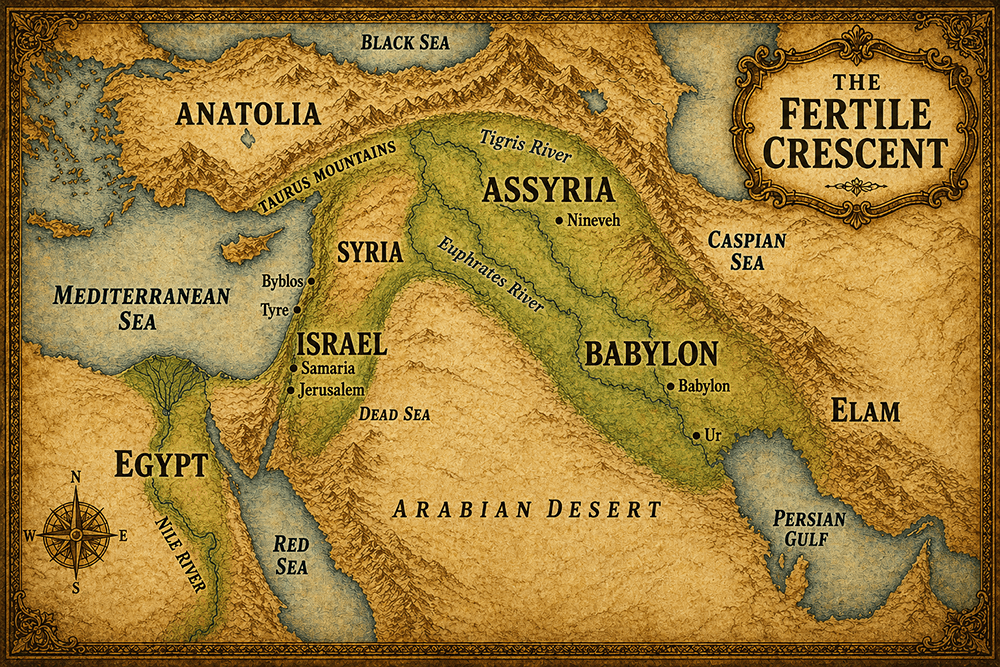
The prophets understand this with agonizing clarity. Isaiah's great comfort chapters (40–55) frame the coming redemption from Babylon as a second Exodus, surpassing even the first. The geography carries the weight: to be delivered from Babylon is not just to go home. It is to be restored to the whole trajectory that Babylon represents the negation of.
This is also, of course, why Daniel is the book it is. Daniel and his friends are not merely civil servants in a foreign administration. They are the covenant people stranded in the epicenter of everything God has been working against since Genesis 11 — and they must bear witness there, in the city of man, to the God who rules all cities and all kings.
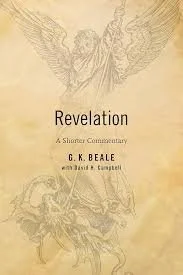
Here are some recommended resources for further study, prepared for those who’ve just studied a brief series on eschatology with me. This is also a good place to pick up helpful material in preparation for our upcoming sermon series on Revelation, starting in mid-August.
Before we consider what Revelation is, we need to reckon honestly with why it so often defeats us. Most Christians who pick up this book find themselves lost within a few chapters — bewildered by the imagery, uncertain about the timeline, and vulnerable to whichever confident interpreter they encounter first. Three deficits account for most of the confusion.
Beyond the Blog
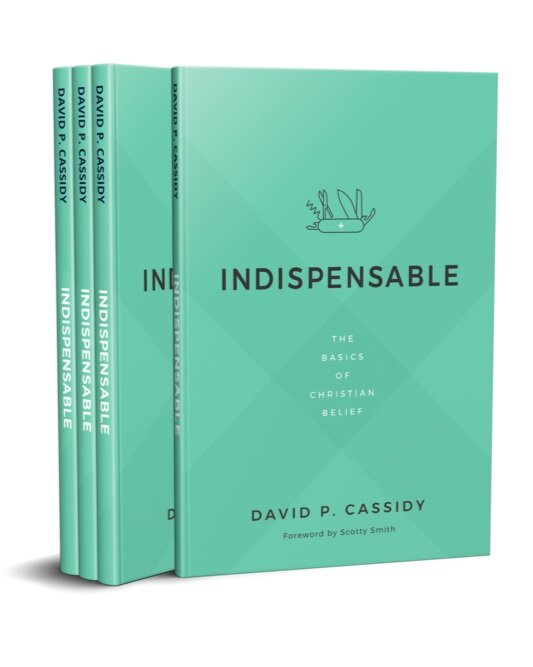
Indispensable: The Basics of Christian Belief
The Christian faith involves many different elements: a breathtaking sacrifice, an unshakable hope, a daily fight—and more. Each is critical to our salvation and essential to the shape and purpose of our daily lives. Yet some have become so familiar to us that we miss their importance… and others may not feel familiar at all. Indispensable: The Basis of Christian Belief is available on Amazon.
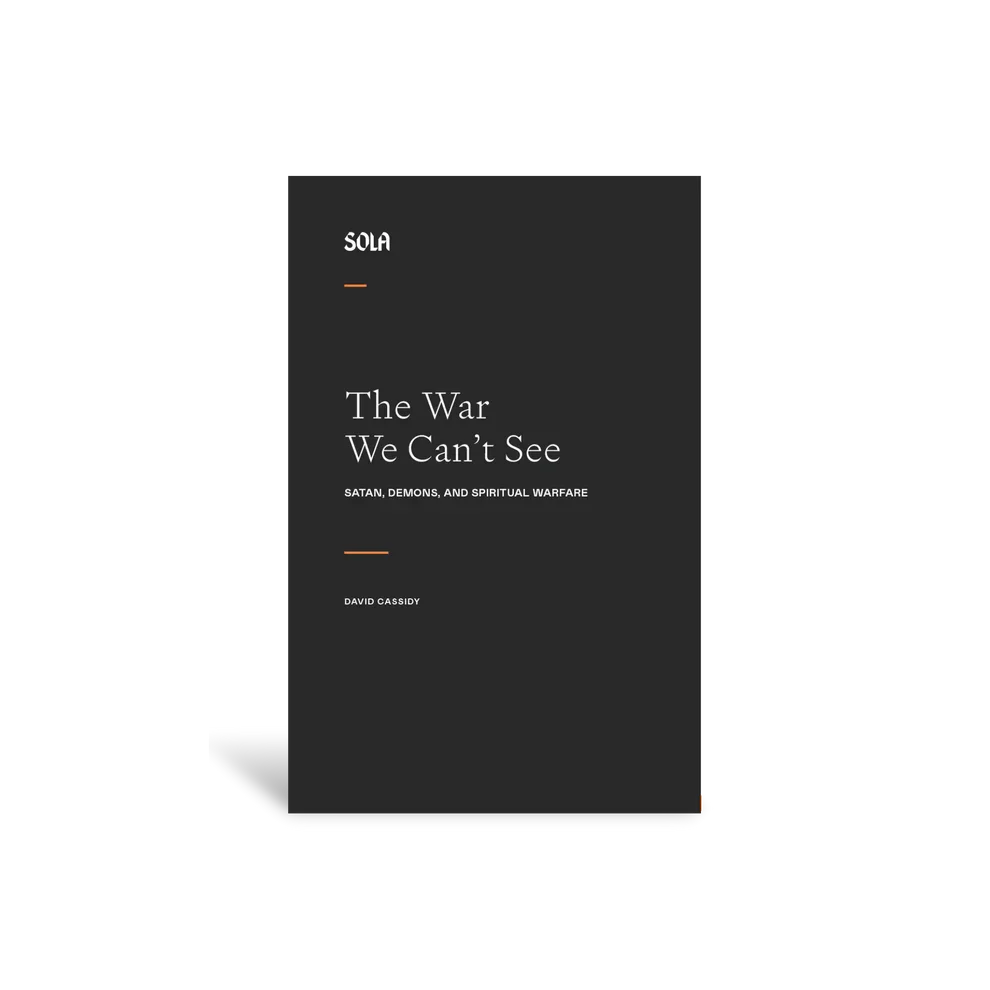
The War We Can’t See: Satan, Demons, and Spiritual Warfare
Every day, Christians face an invisible war—one that impacts our thoughts, relationships, and faith. Yet many believers feel skeptical, confused, or even fearful when it comes to spiritual warfare.
In The War We Can't See, Pastor David Cassidy cuts through misconceptions to reveal what Scripture truly teaches about our spiritual enemy. With biblical clarity and pastoral wisdom, he addresses the most asked questions about Satan and demons:
Is Satan really active in our world today?
How do demons operate, and what power do they have?
How can I resist my spiritual enemy?
What do I do if I feel spiritually oppressed?
Discover how Christ's victory at the cross gives you everything you need to stand firm, resist temptation, and walk confidently in the hope of his return.